We don’t see things as they are, we see things as we are!!
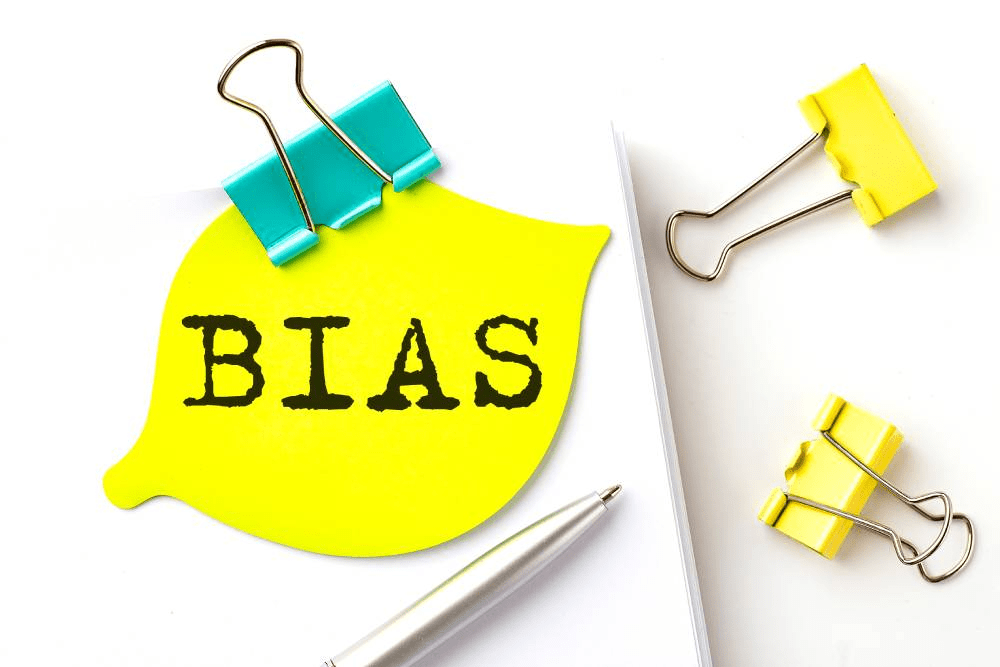
We all have different types of views, beliefs which are shaped up as a result of our personalities, our upbringing and our surrounding environment. We therefore view people or situations in a certain way based on our beliefs. Over a period of time, these beliefs become so prominent that we try to confirm them by finding information that support our view. This tendency where one looks for or interprets and processes only that information that is consistent with their existing beliefs is known as confirmation bias. This confirmation bias is not intentional rather it’s a part of human thinking process. But in process of interpreting evidence to confirm existing beliefs we conveniently reject or ignore any conflicting data without even checking its validity.
The tendency of people to look for information that highlights the positive image of the political candidate they support in an election thereby dismissing any information that hints at their negative qualities is a common example of confirmation bias. Similarly, in real life if a person holds a view that women are bad drivers, he will only collect and process information substantiating his belief while completely rejecting any other proofs suggesting the opposite view.
As mentioned above, confirmation bias is not an intentional phenomenon rather it is a type of cognitive bias which in simple terms means an error in thinking. Our brain is bombarded with loads of information continuously, and it becomes a tedious job for it to process and verify the information as facts or lies. As our brain is known to use least energy and resources on these tasks since it has a more important task of keeping us alive, it most likely picks the information that agrees most with our preexisting opinions and knowledge. This helps in faster decision-making and saves the brain of its energy.
So, if it is unintentional and a natural tendency of humans then can it be damaging?? Unfortunately, yes!! This type of bias doesn’t let us look objectively at the situations we encounter. It can also influence our decisions resulting in poor or faulty choices. There are many implications of this confirmation bias in real-world. In medical field, doctors may have certain impression about diagnosis of a medical condition. This view can interfere with the doctor’s ability to look for further information and check for the possibility of an alternative diagnosis. In interpersonal relations also, a person with confirmation bias is likely to form biased and wrong impressions about others resulting in miscommunication and strained relationships.
So, can we overcome this confirmation bias?? Yes, we can definitely try to do it. First step in this regard is looking for any signs of confirmation bias in your thinking and acknowledging it. After doing this, we can work on broadening our perspectives with a special focus on views which are opposite to our beliefs. We can consider all the available evidence for and against a particular aspect rather than just blindly accepting something which matches our views. Finally, it is important to be flexible enough to accept other views and update your beliefs in the light of suggestive evidence!!
Afterall,
When you change the way, you look at things, the things you look at change!!

 Mind Matters!!