A misbehaving child is a discouraged child.
Rudolf Dreikurs.
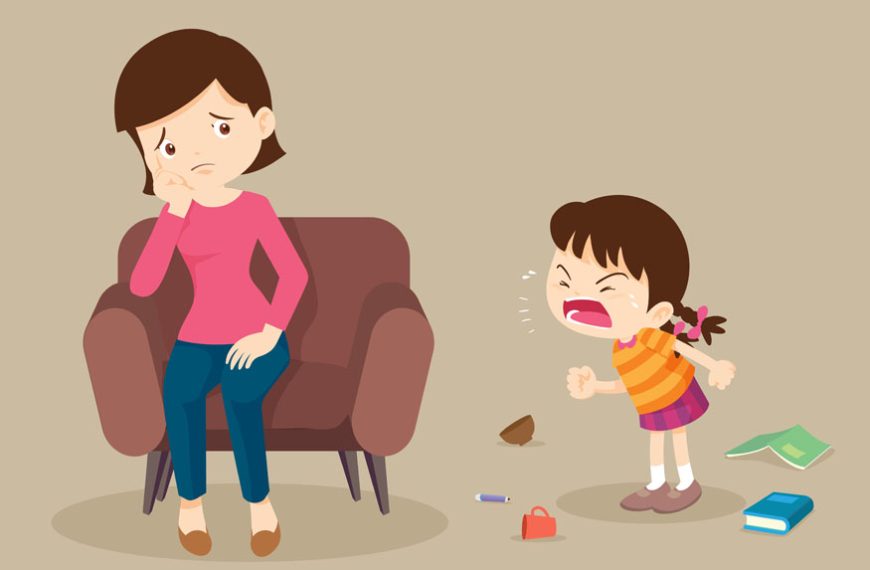
We, as parents, teachers or adults always complain about the misbehavior of children, be it throwing tantrums, being aggressive, lying, answering back, bullying, attention-seeking, etc. We often don’t understand the reasons behind such behavior and therefore loose our cool as a response to any tantrum thrown by our children which further escalates to a full-blown power struggle between the two parties. I believe, the first step to solve any problem is to understand it and then to take steps to solve that problem. But, in case of misbehavior of children, we often tend to forget everything and just react as our patience gives in.
Jane Nelsen explains in her book that we, adults are just lacking in knowledge, awareness and skills to understand and handle such behavior of children. Most of the times, young children are just behaving in age-appropriate way. Most of the behaviors that we think as misbehaviors are actually phases of their development. For eg, teenagers show aggression or push boundaries with adults, get influenced by peers, show volatile moods and we as parents or adults label it as misbehavior since we find it irrational, inconvenient or inappropriate. Same is the case with toddlers who keep on exploring new things, being naughty as they have not yet developed the correct way of expressing their needs and wants. Many children misbehave when they are tired, sleepy or hungry. Therefore, Jane stresses the better we understand our own as well as children’s behavior, the more effective we can be as parents and teachers.
As mentioned above, Rudolf Dreikurs always quoted, “A misbehaving child is a discouraged child.” He put forth four inappropriate or mistaken goals children resort to when they feel discouraged. Adler believed that the one basic desire for every individual irrespective of age, gender, social status is to belong and feel significant. So, most of our behaviors are efforts to achieve this belongingness and significance.
The four Mistaken beliefs and Mistaken Goals of Behavior given by Dreikurs are as follows:
- Undue Attention—- The Mistaken Belief: I belong only when I have your attention.
- Misguided Power—-The Mistaken Belief: I belong only when I’m the boss or at least when I don’t let me boss you.
- Revenge—-The Mistaken Belief: I don’t belong but at least I can hurt back.
- Assumed Inadequacy—-The Mistaken Belief: It is impossible to belong, I give up.
Most of us and children are not aware of their mistaken beliefs. But if we understand this, we will be more equipped to handle the situations of misbehavior in a more positive way. We will learn more about this in the upcoming post.
Repeatedly telling a child what they are doing wrong won’t help them learn what to do differently.
Unknown.

 Mind Matters!!